

Opioid Pain Management: Uses, Types, Risks, and Safety
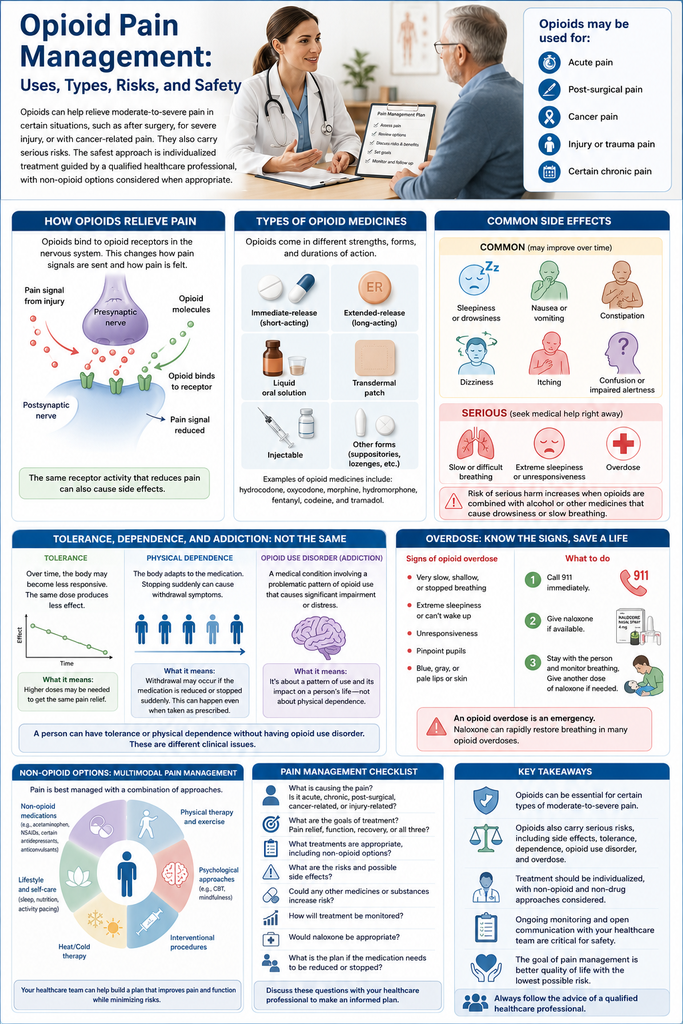
Opioid medicines can be appropriate for certain types of moderate-to-severe pain—especially short-term acute pain, post-surgical pain, cancer-related pain, and severe injury-related pain—but they carry significant risks that require careful, individualized management under a healthcare professional’s guidance. Non-opioid and non-drug approaches should be considered first or alongside opioids whenever possible.[acibademinternational][addictioncenter][aaopm][ijpsjournal]
Table of Contents
What Are Opioids and When Are They Used?
Opioids (also called opioid analgesics or narcotic pain relievers) are prescription medications that work by binding to opioid receptors in the brain, spinal cord, and other areas of the body to reduce the perception of pain. They are most appropriate for:[acibademinternational][addictioncenter]
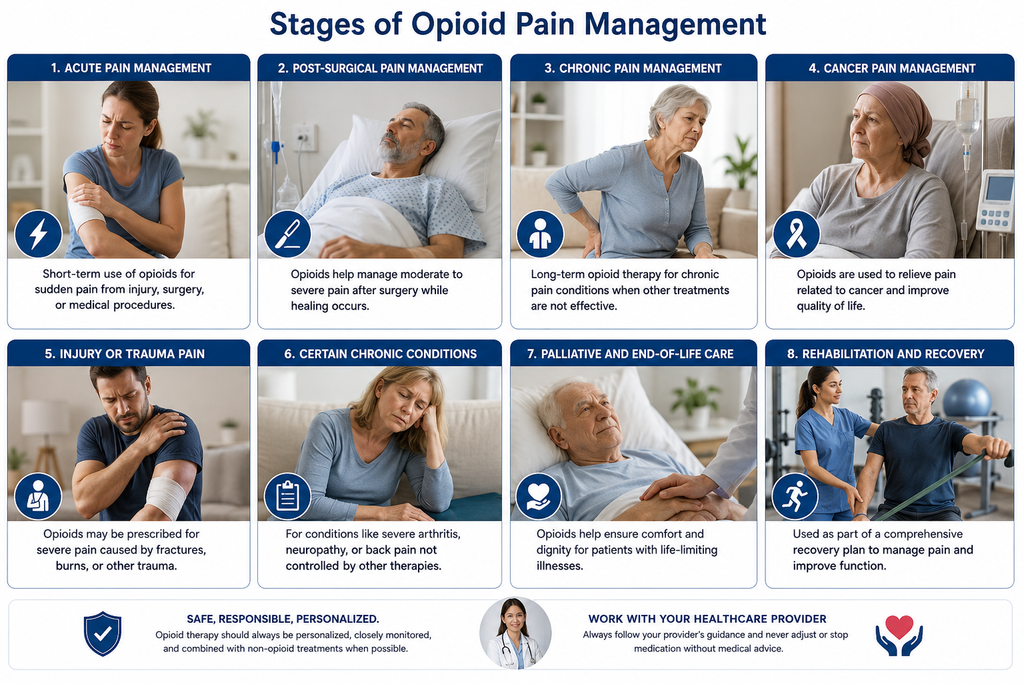
- Acute pain (short-term, severe pain from injury, surgery, or medical procedures)[tandfonline][pmc.ncbi.nlm.nih]
- Post-surgical pain (pain following operations, typically for a limited duration)[pmc.ncbi.nlm.nih][pmc.ncbi.nlm.nih]
- Cancer-related pain (pain from cancer or cancer treatment, which may be moderate to severe and prolonged)[aaopm]
- Severe injury or trauma pain (when other pain relievers are insufficient)[escholarship]
For chronic non-cancer pain, the 2022 CDC Clinical Practice Guideline recommends maximizing non-opioid pharmacotherapy before considering opioids, and using the lowest effective dose for the shortest duration when opioids are necessary.[aaopm][pmc.ncbi.nlm.nih]
Types of Opioid Pain Medicines
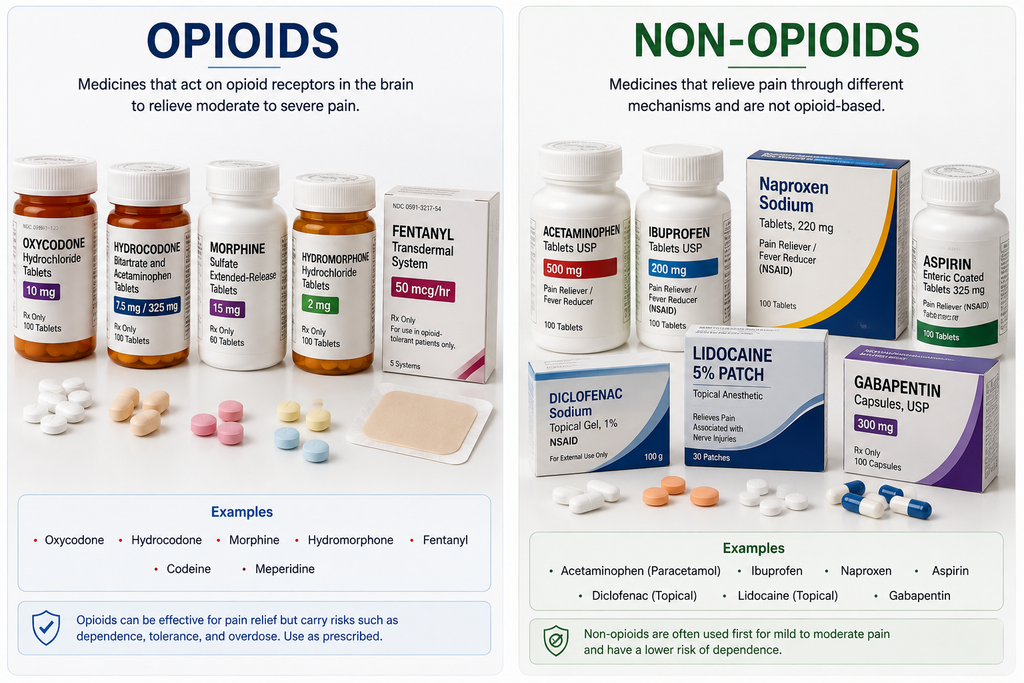
Opioid medications vary in strength, duration of action, and formulation. Common prescription opioids include:[addictioncenter][canada]
| Opioid | Brand Examples | Typical Use |
|---|---|---|
| Codeine | Various combinations | Mild to moderate pain (often combined with acetaminophen) |
| Hydrocodone | Vicodin®, Norco® | Moderate to severe pain |
| Oxycodone | OxyContin®, Percocet® | Moderate to severe pain (short- and long-acting forms) |
| Morphine | Roxanol®, Avinza® | Moderate to severe pain (oral and injectable) |
| Hydromorphone | Dilaudid®, Exalgo® | Moderate to severe pain |
| Fentanyl | Duragesic®, Actiq® | Severe pain (often for cancer or post-surgical; very potent) |
| Methadone | Dolophine®, Methadose® | Chronic pain and opioid use disorder treatment |
| Buprenorphine | Subutex®, Suboxone® | Pain and opioid use disorder (lower risk of dependence) |
| Tramadol | Ultram® | Moderate pain (weaker opioid with additional mechanisms) |
Some opioids are combined with non-opioid pain relievers like acetaminophen or ibuprofen to enhance pain relief while reducing the opioid dose needed.[addictioncenter]
Benefits of Opioid Pain Relief
When used appropriately for the right type of pain and duration, opioids can:
- Provide effective relief for moderate-to-severe acute pain that doesn’t respond to non-opioid medications[pmc.ncbi.nlm.nih][topics.consensus]
- Improve function and quality of life in cancer-related pain and end-of-life care[aaopm]
- Help manage severe post-surgical pain during the initial recovery period[pmc.ncbi.nlm.nih][pmc.ncbi.nlm.nih]
Recent FDA approval of non-opioid alternatives like suzetrigine (Journavx) in 2025 reflects growing options for moderate-to-severe acute pain without opioid-related risks.[pmc.ncbi.nlm.nih][asra]
Risks and Side Effects of Opioids
Even when taken exactly as prescribed, opioids can cause side effects and serious risks.[acibademinternational][canada]
Common Side Effects
- Drowsiness, dizziness, or confusion[acibademinternational][canada]
- Nausea and vomiting[canada]
- Constipation (very common and often requires preventive management)[acibademinternational]
- Dry mouth, itching, or sweating[acibademinternational][addictioncenter]
- Mental clouding or difficulty concentrating[acibademinternational]
Serious Risks
- Tolerance: Over time, the body may require higher doses to achieve the same pain relief.[acibademinternational][canada]
- Physical dependence: Stopping opioids abruptly after regular use can cause withdrawal symptoms (restlessness, sweating, muscle aches, increased pain, anxiety).[addictioncenter][canada]
- Opioid use disorder (addiction): Some people develop compulsive use despite harmful consequences.[addictioncenter][canada]
- Overdose: High doses or combining opioids with alcohol, benzodiazepines, or other sedatives can slow or stop breathing, leading to death.[acibademinternational][canada]
- Opioid-induced hyperalgesia: Paradoxically, long-term opioid use can make some people more sensitive to pain.[canada]
- Hormonal effects: Long-term use may lower testosterone (reducing libido, energy, and muscle strength) or affect fertility.[addictioncenter][canada]
- Sleep-disordered breathing: Opioids can worsen sleep apnea or cause breathing problems during sleep.[canada]
Opioid Safety: How to Use Opioids Responsibly
If your healthcare provider prescribes opioids, follow these safety principles:[pmc.ncbi.nlm.nih][canada]
- Use the lowest effective dose for the shortest time necessary—often 3 days or less for acute pain, and rarely more than 7 days without reassessment.[pmc.ncbi.nlm.nih]
- Take exactly as prescribed—never increase the dose, take more frequently, or use someone else’s medication.
- Avoid alcohol and sedatives (including benzodiazepines, sleep aids, and some anxiety medications) unless your provider explicitly approves.
- Store securely and dispose of unused opioids properly (many pharmacies and police stations offer take-back programs).
- Monitor for side effects and report concerns like excessive drowsiness, confusion, slowed breathing, or severe constipation to your provider.
- Ask about naloxone (Narcan), a medication that can reverse opioid overdose, especially if you’re at higher risk.
- Don’t drive or operate machinery until you know how the medication affects you.
The CDC guideline emphasizes regular monitoring of pain, function, and adverse effects, including prescription drug monitoring program (PDMP) checks and, when appropriate, urine drug testing.[pmc.ncbi.nlm.nih]
Non-Opioid Pain Management Alternatives
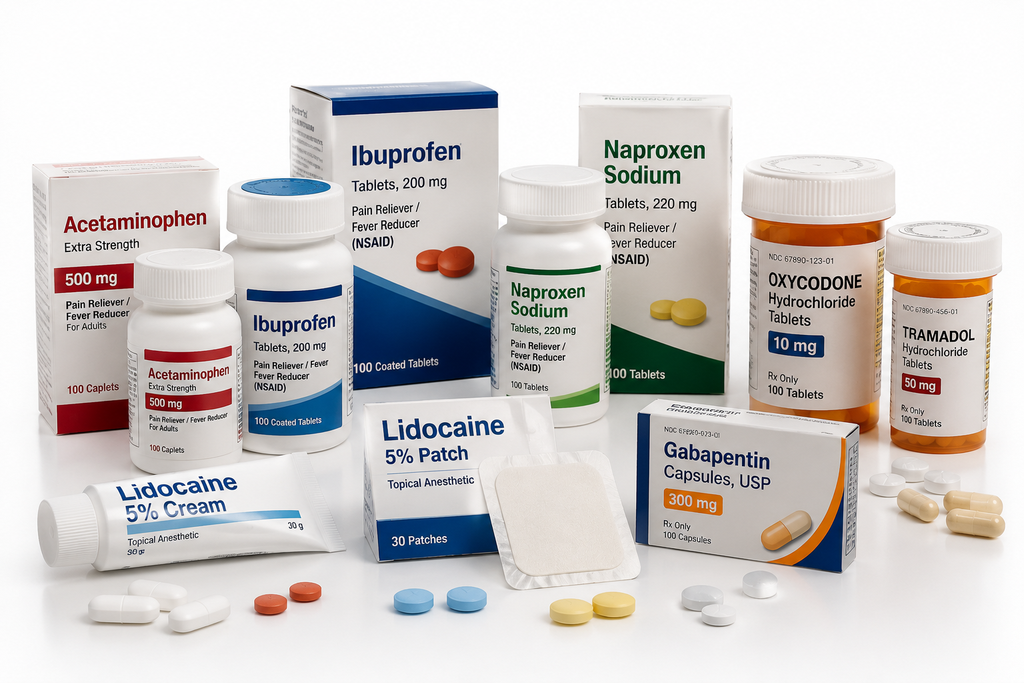
For many types of pain, non-opioid approaches are safer and equally or more effective, especially for chronic pain.[aaopm][ijpsjournal][droracle]
Non-Opioid Medications
- NSAIDs (ibuprofen, naproxen, diclofenac): Effective for inflammatory pain, osteoarthritis, and many acute pain conditions.[aaopm][topics.consensus]
- Acetaminophen (paracetamol): Useful for mild to moderate pain and fever, often combined with other analgesics.[aaopm][ijpsjournal]
- Topical analgesics: Diclofenac gel, capsaicin cream, or lidocaine patches for localized pain.[aaopm]
- Adjuvant medications: Gabapentin, pregabalin, or duloxetine for neuropathic (nerve) pain; certain antidepressants or muscle relaxants for specific conditions.[droracle]
- Ketamine: Emerging evidence supports low-dose ketamine for certain acute and chronic pain conditions.[ijpsjournal][escholarship]
Non-Drug Approaches
- Physical therapy and exercise: Strengthening, stretching, and movement-based therapies improve function and reduce pain in many chronic conditions.[journal.idscipub]
- Cognitive behavioral therapy (CBT) and mindfulness: Evidence-based psychological approaches that reduce pain perception and improve coping.[journal.idscipub]
- Interventional procedures: Nerve blocks, epidural injections, or radiofrequency ablation for targeted pain relief.[pmc.ncbi.nlm.nih]
- Acupuncture, massage, and spinal manipulation: May help certain types of musculoskeletal pain.[aaopm]
- Multimodal analgesia: Combining multiple non-opioid strategies (medications, physical therapy, psychological support) often provides better pain control with fewer side effects than opioids alone.[ijpsjournal][pmc.ncbi.nlm.nih]
Special Considerations by Pain Type
Acute Pain and Injury
For short-term pain from injuries, fractures, or minor procedures, non-opioid medications (NSAIDs, acetaminophen) are often sufficient and preferred. Opioids may be appropriate for severe acute pain (e.g., major trauma, kidney stones) but should be limited to a few days.[aaopm][tandfonline][pmc.ncbi.nlm.nih][topics.consensus]
Post-Surgical Pain Management
Multimodal, opioid-sparing strategies are now the standard for most surgeries, combining non-opioid medications, regional anesthesia (nerve blocks), and non-drug approaches to minimize opioid use and reduce the risk of postoperative dependence.[pmc.ncbi.nlm.nih][pmc.ncbi.nlm.nih]
Chronic Pain
For chronic non-cancer pain, the evidence favors non-opioid and non-pharmacological therapies over long-term opioid treatment, which has limited long-term effectiveness and significant risks. Opioids should only be considered after other options have been tried, with clear goals, regular monitoring, and a plan for tapering if benefits don’t outweigh risks.[aaopm][pmc.ncbi.nlm.nih][journal.idscipub]
Cancer Pain Management
Opioids remain a cornerstone of cancer pain management, especially for moderate-to-severe pain, and should be used alongside other treatments (radiation, nerve blocks, adjuvant medications) as part of a comprehensive palliative care approach.[aaopm]
Talking to Your Healthcare Provider About Opioids
Before starting opioids, discuss:[aaopm][canada]
- Your pain goals (what level of pain is acceptable, what activities you want to improve)
- Other treatments you’ve tried and their effects
- Your medical history, including sleep apnea, mental health conditions, or substance use history
- The plan for monitoring, duration of treatment, and when to taper or stop
- Whether naloxone is appropriate for you
- Non-opioid alternatives that might work for your situation
If you’re already taking opioids long-term, don’t stop abruptly—work with your provider on a gradual tapering plan to avoid withdrawal.[canada]
Key Takeaways
- Opioids can be effective for specific types of moderate-to-severe pain, particularly short-term acute pain, post-surgical pain, cancer pain, and severe injury pain.[aaopm][pmc.ncbi.nlm.nih]
- They carry significant risks, including side effects, tolerance, physical dependence, opioid use disorder, and overdose—even when taken as prescribed.[acibademinternational][addictioncenter][canada]
- Non-opioid medications and non-drug approaches are safer and often equally or more effective, especially for chronic pain, and should be considered first or alongside opioids.[aaopm][ijpsjournal][journal.idscipub]
- Treatment must be individualized, closely monitored, and guided by a qualified healthcare professional, with clear goals and regular reassessment.[aaopm][pmc.ncbi.nlm.nih]
- Never use opioids without a prescription, share your medication, or combine them with alcohol or sedatives unless explicitly approved by your provider.[canada]
Internal Link Opportunities
This pillar page should link to supporting content covering:
- Acute Pain Management
- Chronic Pain Management
- Post-Surgical Pain Management
- Cancer Pain Management
- Injury and Trauma Pain Management
- Opioid Safety and Overdose Prevention
- Non-Opioid Pain Management Alternatives
- Medication Guides: NSAIDs, Acetaminophen, Gabapentin, etc.
This content is for educational purposes only and does not constitute medical advice. Always consult a qualified healthcare professional for diagnosis and treatment decisions.[aaopm][canada]