


Pain After Hip Replacement: Recovery Timeline & What to Expect
Quick answer: Some pain, swelling and stiffness are expected after hip replacement surgery. Pain may be more noticeable during the first days and should generally begin becoming more manageable as recovery progresses. Canadian guidance notes that people usually start walking and physiotherapy soon after surgery, while returning to full activity can take several months. Increasing, severe or unexpected pain should be assessed by your healthcare team. (MyHealth Alberta)
Table of Contents
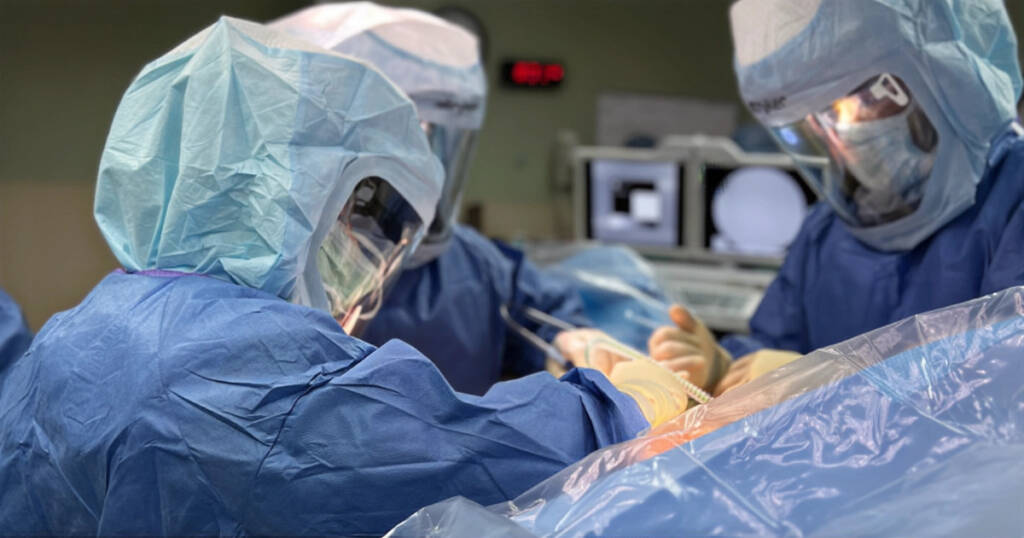
Is pain after hip replacement normal?
Yes. Pain after hip replacement is expected, particularly during the early stages of recovery.
A hip replacement is a major orthopaedic procedure. Although the damaged parts of the hip joint are replaced, the surrounding muscles and other tissues still need time to heal.
You may experience:
- Pain around the hip
- Thigh soreness
- Groin discomfort
- Incision tenderness
- Swelling
- Bruising
- Stiffness
- Muscle soreness
- Discomfort when walking
- Pain during physiotherapy
- Difficulty finding a comfortable sleeping position
Alberta Health Services states that patients can expect pain after hip replacement surgery and that pain management is important so patients can stand, walk and begin physical therapy. (MyHealth Alberta)
The important question isn’t simply whether you have pain.
It is how your pain changes during recovery.
How long does pain last after hip replacement?
There is no single recovery timeline that applies to everyone.
For many people, pain is greatest during the first several days. It should then gradually become more manageable as healing progresses.
A Canadian UHN hip-replacement guide states that pain may temporarily worsen during the days immediately following surgery but should begin improving gradually around the first week. (University Health Network)
HealthLink BC notes that it usually takes a few months to return to full activity after total hip replacement. (HealthLink BC)
A general recovery pattern can look like this:
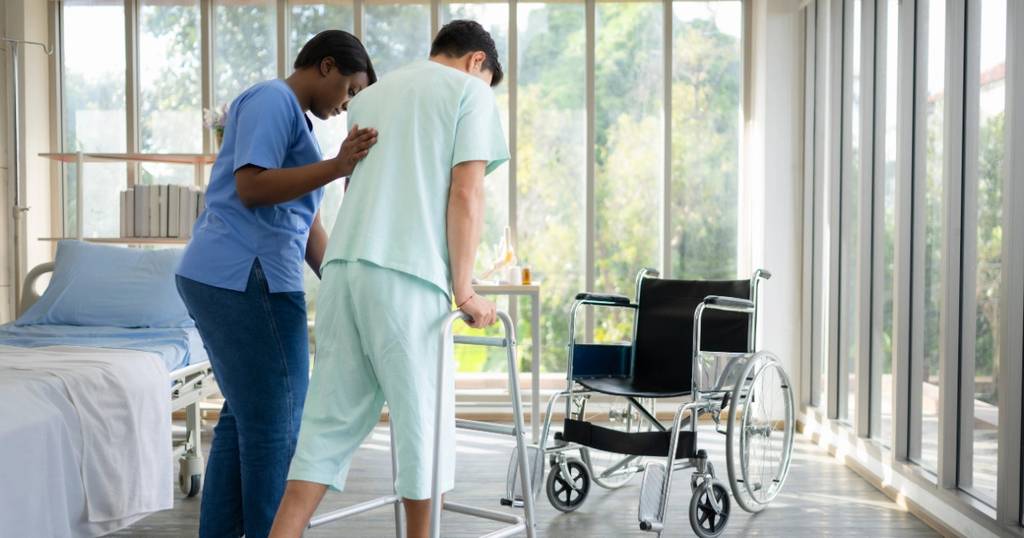
First few days
Pain, swelling and stiffness are common.
You may need:
- Pain medication
- Ice or cold therapy
- Assistance walking
- A walker or crutches
- Help with daily activities
Your healthcare team will usually help you begin getting out of bed and walking as soon as it is safe.
First week
Pain may still be significant, but it should generally begin becoming easier to manage.
You may gradually:
- Walk farther
- Perform prescribed exercises
- Reduce reliance on pain medication
- Become more independent
First several weeks
Pain and swelling may continue, particularly after activity.
Your walking distance should generally increase gradually rather than all at once.
Alberta Health Services recommends shorter, more frequent walks rather than one long walk during recovery. (MyHealth Alberta)
Several months
Strength, mobility and endurance can continue improving.
Some people may still experience intermittent soreness or stiffness, particularly after increased activity.
Returning to full activity can take several months. (MyHealth Alberta)
What is normal pain after hip replacement surgery?
Normal postoperative discomfort can vary.
You might notice:
Incision pain
The surgical incision may remain tender or sensitive while it heals.
Hip soreness
The tissues surrounding the replacement need time to recover.
Thigh pain
The thigh can feel sore following surgery, particularly as you begin walking and exercising.
Groin discomfort
Some patients experience discomfort around the front of the hip or groin during recovery.
Muscle soreness
The muscles around the hip may be weak or stiff after surgery.
Pain with activity
Walking and physiotherapy can temporarily increase discomfort.
A temporary increase after activity isn’t necessarily a sign that something has gone wrong.
However, severe or progressively worsening pain should be discussed with your healthcare team.
Why does my hip hurt after replacement surgery?
Several things can contribute to postoperative pain.
Surgical healing
Your body needs time to heal the tissues affected during surgery.
Inflammation and swelling
Temporary inflammation is part of the healing process.
Muscle weakness
The muscles around your hip may be weaker immediately after surgery.
Increased activity
As you begin walking and exercising more, previously inactive muscles and tissues are challenged.
Stiffness
Reduced movement during the early recovery period can contribute to stiffness.
Physiotherapy
Exercises designed to restore movement and strength can sometimes cause temporary soreness.
Pain therefore does not necessarily mean the artificial hip is damaged.
When should hip replacement pain start getting better?
There is considerable individual variation, but the overall trend should generally be toward improved comfort and function.
A useful way to monitor your recovery is to ask:
- Am I gradually walking farther?
- Is my pain becoming easier to manage?
- Am I needing less pain medication over time?
- Is my movement improving?
- Can I perform more daily activities?
- Are swelling and bruising gradually settling?
Alberta Health Services notes that people generally need progressively less pain medication during the first week or so following total hip replacement. (MyHealth Alberta)
That does not mean everyone will follow exactly the same timeline.
Can pain get worse before it gets better?
Yes.
Pain can temporarily increase during the early recovery period.
UHN’s Canadian hip-replacement guide specifically notes that pain can become worse during the days immediately following surgery before gradually improving. (University Health Network)
Pain may also temporarily increase after:
- Walking farther
- Physiotherapy
- Increasing activity
- Changing your exercise routine
- Spending more time upright
A temporary increase does not automatically mean a complication.
However, a sudden or substantial deterioration should be reported, particularly if it is accompanied by other symptoms.
How can you relieve pain after hip replacement?
Your surgeon and healthcare team should provide an individualized pain-management plan.
Depending on your circumstances, this may include:
- Prescribed pain medication
- Ice or cold therapy
- Elevation
- Appropriate movement
- Physiotherapy
- Rest
- Positioning
- Gradually increasing activity
Alberta Health Services recommends strategies including pain medication, ice and leg elevation to help manage postoperative pain and swelling. (MyHealth Alberta)
Can ice help pain after hip replacement?
Cold therapy can help with pain and swelling for some patients.
Alberta Health Services recommends using a cold pack for limited periods and placing a thin towel between the cold source and your skin. (MyHealth Alberta)
Do not apply ice directly to the skin.
If your healthcare team has given you specific instructions for cold therapy, follow those instructions instead of generic advice.
Can elevating your leg reduce hip replacement pain?
Elevation can help manage postoperative swelling.
Alberta Health Services recommends elevating the operated leg in certain circumstances and provides specific positioning guidance for reducing swelling. (MyHealth Alberta)
Your surgical team may give you different instructions depending on your operation and individual circumstances.
How important is walking after hip replacement?
Walking is an important component of many hip-replacement recovery programs.
Canadian guidance from Alberta Health Services says patients are generally helped to stand and walk soon after surgery and progressively increase activity. (MyHealth Alberta)
However, recovery is not a race.
Short, frequent walks may be more appropriate than trying to walk a long distance immediately.
Your physiotherapist or surgeon should determine how much weight-bearing and activity are appropriate for you.
Why does my hip hurt more when I walk?
Walking uses muscles and tissues that may still be recovering.
You may experience temporary soreness as:
- Walking distance increases
- You transition away from a walker or crutches
- Your gait changes
- Your muscles become stronger
- Your rehabilitation progresses
Some discomfort can therefore occur during normal rehabilitation.
But if walking suddenly produces severe pain, causes a major change in your ability to bear weight, or is accompanied by swelling or other new symptoms, contact your healthcare team.
How long will I need a walker or crutches?
The answer varies.
Alberta Health Services notes that many people use a walker or crutches during the first six weeks, but your surgeon or physiotherapist determines when it is safe to stop using an aid. (MyHealth Alberta)
Do not stop using your walker or crutches simply because you feel you can manage without them.
Using an aid longer than expected is not necessarily a sign that recovery is failing.
Is it normal to have swelling after hip replacement?
Yes.
Swelling around the hip and operated leg can continue for weeks.
Alberta Health Services states that the hip may remain warm and swollen for many weeks after surgery and that leg swelling can increase as activity increases. (MyHealth Alberta)
Measures that may help include:
- Elevating the leg when instructed
- Taking short walks rather than prolonged activity
- Using cold therapy appropriately
- Avoiding prolonged sitting
- Following your rehabilitation plan
However, new or rapidly increasing swelling, particularly when accompanied by significant leg pain or other symptoms, requires medical assessment.
Why does my leg swell after hip replacement?
Several factors can contribute to postoperative swelling.
Surgery temporarily affects tissues and circulation around the operated area, and increased activity can make swelling more noticeable.
It is therefore possible for swelling to fluctuate during recovery.
But new swelling accompanied by significant pain, redness, warmth or other concerning symptoms should not be assumed to be normal.
Is it normal to have thigh pain after hip replacement?
Thigh discomfort can occur during recovery.
The muscles and tissues around the hip have been affected by surgery, and walking mechanics may change temporarily.
However, thigh or leg pain can also be associated with complications such as a blood clot.
Contact your healthcare team if leg pain is increasing, persistent or accompanied by swelling, redness or other concerning symptoms.
Is groin pain normal after hip replacement?
Some patients experience discomfort in the groin or front of the hip during recovery.
Possible explanations can include normal postoperative healing, muscle irritation or increasing activity.
However, persistent or worsening groin pain should be discussed with your surgeon, particularly if it is interfering with walking or rehabilitation.
Do not attempt to diagnose the cause based solely on the location of the pain.
Why is hip replacement pain worse at night?
Nighttime can make postoperative pain feel more noticeable.
Possible reasons include:
- Less distraction
- Difficulty finding a comfortable position
- Stiffness after remaining still
- Pressure on the operated side
- Increased awareness of symptoms
- Changes in sleep patterns after surgery
Alberta Health Services notes that sleep patterns can change during the first few weeks after hip replacement. (MyHealth Alberta)
If nighttime pain repeatedly prevents sleep, tell your healthcare provider.
How should you sleep after hip replacement?
Your surgeon or physiotherapist should provide procedure-specific instructions.
Depending on the surgical approach and your individual recovery, you may receive instructions about:
- Sleeping positions
- Pillow placement
- Avoiding certain hip movements
- Getting into and out of bed
- When you can sleep on your side
UHN advises particular precautions for hip-replacement patients, including avoiding low seating, crossing the legs and twisting the torso during the early recovery period. (University Health Network)
Do not assume that advice for one type of hip replacement applies to every patient.
When can I sleep on my operated side?
The answer depends on your surgeon’s instructions and your recovery.
Do not automatically begin sleeping directly on the operated hip because the incision appears healed.
Ask your surgical or rehabilitation team when side-sleeping is appropriate.
What pain medicine is used after hip replacement?
Your healthcare team may recommend different pain-management options depending on your health and the type of surgery.
These may include:
- Acetaminophen
- Anti-inflammatory medicines when appropriate
- Prescription pain medicines
- Other procedure-specific approaches
The safest option depends on factors including:
- Other medications
- Allergies
- Kidney function
- Liver function
- Bleeding risk
- Other medical conditions
Do not increase doses, combine medicines or restart medications you were taking before surgery without appropriate medical advice.
Alberta Health Services specifically advises patients to discuss when to restart previous medicines, including herbal medicines and supplements, with their surgeon. (MyHealth Alberta)
Should I take pain medicine before physiotherapy?
Your healthcare team may recommend timing pain medication before physiotherapy if exercises make you sore.
For example, Alberta Health Services advises patients who need it to take their pain medicine 30–45 minutes before a therapy session so that it has time to work. (MyHealth Alberta)
However, this does not mean every patient should follow that schedule.
Follow the instructions provided for your specific medication.
Can physiotherapy cause more pain after hip replacement?
Some temporary soreness can occur as you increase movement and strength.
Physiotherapy is an important part of recovery, and HealthLink BC states that physiotherapy begins as soon as possible following total hip replacement. (HealthLink BC)
The goal is gradual improvement—not forcing the joint through severe pain.
Tell your physiotherapist if:
- Pain becomes severe
- Pain continues to worsen
- You develop new swelling
- Your ability to bear weight suddenly decreases
- You experience a new injury
- You develop new neurological symptoms
How long does it take to recover from hip replacement?
Recovery varies from person to person.
HealthLink BC states that returning to full activity usually takes a few months. (HealthLink BC)
Alberta Health Services similarly notes that it usually takes a few months to return to full activity following total hip replacement. (MyHealth Alberta)
Your recovery can be affected by:
- Your physical condition before surgery
- Age
- Muscle strength
- The reason for the replacement
- Surgical technique
- Other medical conditions
- Rehabilitation
- Work requirements
- Activity level
The goal isn’t simply to eliminate pain.
It is to gradually restore mobility, strength, independence and function.
Can you still have pain months after hip replacement?
Yes.
Some people continue to experience discomfort, stiffness or occasional soreness beyond the early recovery period.
That does not necessarily mean the replacement has failed.
However, persistent pain deserves appropriate evaluation when:
- It is not improving
- It becomes progressively worse
- It interferes with walking
- It prevents sleep
- It limits rehabilitation
- It suddenly changes
- It appears after a period of improvement
Alberta Health Services advises patients to tell their healthcare team if discomfort lasts a long time after surgery. (MyHealth Alberta)
What causes persistent pain months after hip replacement?
There are several possible explanations.
These can include:
- Ongoing tissue healing
- Muscle weakness
- Stiffness
- Changes in walking mechanics
- Nerve-related symptoms
- Problems involving the replacement
- Infection
- A fracture
- Dislocation
- Problems elsewhere in the spine, pelvis or leg
The cause cannot be determined from symptoms alone.
Persistent or worsening pain should be evaluated by a healthcare professional.
What does nerve pain after hip replacement feel like?
Nerve-related symptoms can feel different from ordinary postoperative soreness.
Possible sensations include:
- Burning
- Tingling
- Pins and needles
- Shooting pain
- Electric-like sensations
- Numbness
- Unusual sensitivity
New or worsening neurological symptoms should be reported to your healthcare provider.
When should I worry about pain after hip replacement?
Contact your healthcare team if:
- Pain is becoming progressively worse
- Pain medication is no longer controlling your symptoms
- You develop increasing redness around the incision
- Your incision becomes hot, swollen or starts draining
- You develop fever or chills
- Your leg becomes increasingly swollen or painful
- You suddenly cannot put weight on the operated leg
- You experience a sudden reduction in hip movement
- You have a new injury or fall
Alberta Health Services specifically identifies increasing leg pain/swelling, wound changes, fever, chills and sudden pain with reduced hip movement or inability to bear weight as reasons to seek medical advice. (MyHealth Alberta)
What are the emergency symptoms after hip replacement?
Some symptoms require urgent emergency care.
Call 911 or go to the nearest emergency department for symptoms such as:
- Chest pain
- Significant difficulty breathing
- Sudden shortness of breath
These can be signs of a potentially serious blood clot complication.
UHN and Alberta Health Services both identify chest pain and breathing difficulties as emergency symptoms after hip replacement. (University Health Network)
What are signs of infection after hip replacement?
Possible warning signs include:
- Increasing pain
- Increasing redness
- Increasing warmth
- Increasing swelling
- Drainage from the incision
- Fever
- Chills
- Feeling increasingly unwell
Alberta Health Services advises contacting the healthcare team when the incision becomes red, hard, hot, swollen or starts draining, or when fever or chills develop. (MyHealth Alberta)
What are signs of a blood clot after hip replacement?
A blood clot in the leg can cause symptoms such as:
- Increasing leg swelling
- Leg pain
- Tenderness
- Redness
- Pain that persists even while resting
A clot that travels to the lungs can cause:
- Sudden shortness of breath
- Chest pain
- Difficulty breathing
These symptoms can represent a medical emergency.
Alberta Health Services advises calling 911 or going to an emergency department for chest pain or shortness of breath. (MyHealth Alberta)
Can a hip replacement become dislocated?
Dislocation is a recognized potential complication of hip replacement.
Symptoms can include:
- Sudden severe hip pain
- A sudden change in the position or function of the leg
- Inability to bear weight
- Markedly reduced hip movement
A sudden change such as severe pain combined with inability to put weight on the operated leg requires prompt medical assessment. (MyHealth Alberta)
How can I support recovery after hip replacement?
Follow your physiotherapy plan
Your exercises are designed to restore strength and mobility gradually.
Walk regularly
Short, frequent walks may be preferable to one long walk during early recovery. (MyHealth Alberta)
Use your walking aid
Continue using your walker, crutches or cane until your healthcare team says you can stop.
Manage swelling
Use elevation and cold therapy as instructed.
Take medications as directed
Do not independently change your pain medicines or other prescriptions.
Prevent falls
Keep walkways clear, remove loose rugs and use appropriate footwear.
Attend follow-up appointments
Follow-up allows your surgeon and rehabilitation team to monitor your progress.
Hip replacement pain: normal vs concerning
| More consistent with recovery | More concerning |
|---|---|
| Gradually improving pain | Sudden severe pain |
| Mild-to-moderate soreness | Rapidly worsening pain |
| Temporary soreness after exercise | Pain that remains uncontrolled |
| Mild swelling that gradually improves | Rapidly increasing leg swelling |
| Incision tenderness | Increasing redness, heat or drainage |
| Temporary stiffness | Sudden loss of hip movement |
| Gradual improvement in walking | Sudden inability to bear weight |
| Sleep disruption early in recovery | Severe symptoms preventing recovery |
| Gradual reduction in pain medication | Still requiring significant pain medication at an unexpectedly late stage |
This table is an educational guide and does not diagnose complications.
Frequently Asked Questions Pain After Hip Replacement
What is normal pain after hip replacement surgery?
Normal postoperative pain can include soreness around the hip and incision, thigh discomfort, stiffness and pain during movement or physiotherapy. Pain should generally become more manageable as recovery progresses. Some swelling and discomfort can continue for weeks, while full recovery may take several months. (MyHealth Alberta)
How long does pain last after hip replacement?
Pain is usually most noticeable during the early recovery period and should gradually improve. Some soreness and stiffness can continue for weeks or months as strength and mobility return. HealthLink BC notes that returning to full activity generally takes a few months. (HealthLink BC)
Is it normal to have pain one week after hip replacement?
Yes. Pain one week after hip replacement can still be expected. Canadian UHN guidance states that pain should begin improving gradually around the first week, although recovery varies between individuals. (University Health Network)
Why does my hip replacement hurt more at night?
Nighttime pain may be related to positioning, stiffness, reduced distraction and difficulty finding a comfortable sleeping position. Sleep patterns can also change during early recovery. If nighttime pain is severe or progressively worsening, contact your healthcare team. (MyHealth Alberta)
Is thigh pain normal after hip replacement?
Thigh soreness can occur during recovery, particularly as you begin walking and exercising. However, increasing leg pain accompanied by swelling, redness or other concerning symptoms should be assessed because blood clots and other complications can also cause leg symptoms.
Is groin pain normal after hip replacement?
Some groin discomfort can occur during recovery, but persistent or worsening groin pain should be discussed with your surgeon. The cause can range from normal healing to problems that require further assessment.
How can I relieve pain after hip replacement?
Follow your healthcare team’s pain-management plan. Depending on your circumstances, this may include prescribed medication, cold therapy, elevation, appropriate walking, physiotherapy and rest. (MyHealth Alberta)
When should I call my surgeon after hip replacement?
Contact your healthcare team if pain is worsening, medication no longer controls it, the incision becomes increasingly red or swollen, drainage develops, you have fever or chills, your leg becomes increasingly swollen or painful, or you suddenly cannot bear weight. (MyHealth Alberta)
When should I call 911 after hip replacement?
Call 911 for emergency symptoms such as chest pain or significant difficulty breathing/shortness of breath. These symptoms can indicate a potentially serious complication requiring immediate treatment. (University Health Network)
Can I walk after hip replacement surgery?
Walking is generally introduced soon after surgery under the supervision of the healthcare team. Your physiotherapist will determine how to use a walker, crutches or cane and how to progress your activity safely. (MyHealth Alberta)
How long will I need a walker after hip replacement?
Many people use a walker or other walking aid during the first several weeks. Alberta Health Services notes that many people need a walker or crutches for the first six weeks, although the exact duration varies and your healthcare team decides when it is safe to stop. (MyHealth Alberta)
Can you still have pain months after hip replacement?
Yes. Recovery can continue for several months, and some patients may experience residual soreness or stiffness. Persistent or worsening pain should be assessed rather than automatically attributed to normal recovery. (MyHealth Alberta)
The Bottom Line
Pain after hip replacement is expected, particularly during the first days and weeks, but it should generally become more manageable as recovery progresses.
Canadian guidance indicates that patients usually begin walking and rehabilitation soon after surgery, while returning to full activity can take several months. (MyHealth Alberta)
Don’t judge recovery based on one painful day. Look at the overall trend in:
- Pain
- Walking ability
- Strength
- Range of movement
- Swelling
- Independence
If pain is suddenly severe, progressively worsening, uncontrolled by your prescribed treatment, or accompanied by fever, wound changes, increasing leg swelling, inability to bear weight, chest pain or breathing difficulties, seek appropriate medical attention.
Editorial Setup
Medically reviewed by: [Canadian orthopaedic surgeon]
Written by: [Margaret Madden]
Last reviewed: May 14, 2020
Recommended sources
Prioritize:
- Alberta Health Services / MyHealth Alberta — Having a Hip Replacement and postoperative recovery guidance (MyHealth Alberta)
- HealthLink BC — Total Hip Replacement Surgery (HealthLink BC)
- University Health Network (Toronto) — Hip & Knee Joint Replacement resources (University Health Network)
- Provincial health authorities and Canadian orthopaedic organizations for additional supporting information.
Parent pillar:
→ Pain After Surgery/pain-after-surgery/
Related cluster pages:
→ Pain After Knee Surgery
→ Pain After Spinal Fusion
→ Pain After Hernia Surgery
→ Pain After Rotator Cuff Surgery
→ Nerve Pain After Surgery
→ Pain After Ankle Surgery
Medical disclaimer: This article is for general educational purposes and does not replace advice from your surgeon, physiotherapist, pharmacist or other healthcare professional. Follow the postoperative instructions provided by your surgical team. If you develop severe or unexpected symptoms, seek appropriate medical care.



1 Comment