


Pain After Rotator Cuff Surgery: Recovery Timeline & Pain Relief
Quick answer: Pain after rotator cuff surgery is expected, particularly during the early stages of recovery. How long it lasts varies according to the type and extent of the repair, your rehabilitation program, and individual healing. Pain should generally become more manageable as recovery progresses, although discomfort and stiffness can continue while the shoulder regains movement and strength. Physiotherapy is an important part of recovery. (HealthLink BC)
Editorial Setup
Medically reviewed by: [physiotherapist]
Written by: [Dr Margaret Madden MD]
Last reviewed: May 8, 2020
Jurisdiction: Canada
Table of Contents

Is pain after rotator cuff surgery normal?
Yes. Pain after rotator cuff surgery is expected.
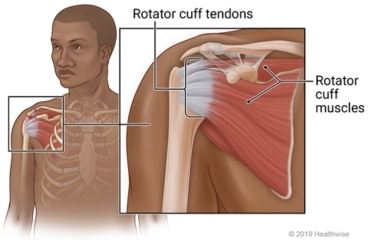
The shoulder has undergone a surgical procedure involving tissues that are important for movement and stability. Depending on the procedure, surgery may involve repairing the torn tendon, removing damaged tissue, treating inflammation, or addressing other structures within the shoulder.
HealthLink BC notes that rotator cuff repair commonly involves arthroscopic surgery, although open surgery may be required in some circumstances. It also identifies persistent pain or stiffness as possible complications of the procedure. (HealthLink BC)
Early postoperative pain does not necessarily mean that the repair has failed.
What matters is the overall pattern of recovery.
Pain that gradually becomes easier to manage can be consistent with recovery. Pain that suddenly becomes much worse, fails to respond to the prescribed treatment, or occurs alongside other concerning symptoms should be assessed.
How long will I have pain after rotator cuff surgery?
There is no single number of days or weeks that applies to everyone.
Rotator cuff recovery can take several months, and pain may change as the shoulder progresses through different stages of rehabilitation.
HealthLink BC explains that active exercises and stretching may begin several weeks after surgery depending on the severity of the tear and complexity of the repair, while strengthening exercises may begin a few months later. It also notes that recovery can take several months. (HealthLink BC)
A simplified recovery pattern may look like this:
First few days
Pain and swelling are often most noticeable.
The shoulder may feel:
- Achy
- Tender
- Swollen
- Stiff
- Heavy
- Uncomfortable when changing position
Your arm may also be protected in a sling according to your surgeon’s instructions.
First few weeks
Pain may gradually become easier to manage, but the shoulder can remain uncomfortable.
You may notice pain:
- When changing position
- When moving according to your rehabilitation instructions
- At night
- When getting dressed
- When accidentally moving the arm
- When transitioning out of the sling, if your rehabilitation plan allows it
Following weeks and months
The emphasis generally shifts toward restoring movement, strength and function.
This does not necessarily mean that pain disappears immediately.
Some discomfort can occur during rehabilitation as the shoulder gradually becomes more active.
HealthLink BC states that physiotherapy is crucial to successful recovery after rotator cuff repair and that strengthening exercises may begin months after surgery. (HealthLink BC)
Why does rotator cuff surgery hurt so much?
Several factors can contribute to postoperative shoulder pain.
Surgical tissue healing
The operation itself creates temporary tissue injury that must heal.
Tendon repair
If a torn tendon has been repaired, the shoulder needs time to heal while the repaired tissue is protected.
Swelling and inflammation
Surgical tissues can become swollen and irritated during early recovery.
Reduced movement
Protecting the repair can temporarily limit shoulder movement.
Muscle stiffness
The muscles around the shoulder can become stiff or weak while activity is restricted.
Rehabilitation
Physiotherapy can sometimes temporarily increase soreness as the shoulder is gradually challenged.
This does not automatically mean the repair has been damaged.
However, exercises should be performed according to the rehabilitation program provided by your healthcare team rather than using pain as a reason to push through increasingly difficult exercises.
Rotator cuff surgery recovery timeline
Recovery differs between patients, so the following should be considered a general framework rather than a personal schedule.
| Recovery stage | What may happen |
|---|---|
| Immediately after surgery | Pain, swelling and limited shoulder movement |
| Early recovery | Shoulder protection and prescribed pain management |
| Early physiotherapy | Controlled movement according to the surgeon’s protocol |
| Later rehabilitation | Increasing movement and functional activity |
| Strengthening phase | Gradual strengthening when permitted |
| Later recovery | Gradual return to normal activities |
The exact timing depends on factors such as:
- Size of the tear
- Number of tendons repaired
- Type of procedure
- Tissue quality
- Whether additional procedures were performed
- Age and general health
- Rehabilitation protocol
- Work and activity requirements
- How the shoulder responds to rehabilitation
HealthLink BC specifically notes that the timing of active exercises and stretching depends on the severity of the tear and complexity of the repair. (HealthLink BC)
Why is my shoulder still painful after rotator cuff surgery?
Persistent pain does not automatically mean the surgery failed.
Several factors may contribute to continued discomfort during recovery.
Normal healing
The repaired tissues may still be healing.
Stiffness
Limited movement can contribute to shoulder discomfort.
Rehabilitation
A shoulder becoming more active again can produce temporary soreness.
Nerve-related symptoms
Some people experience burning, tingling or unusual sensations after surgery.
Scar tissue
Healing can alter the tissues around the surgical area.
Complications
Infection, tendon problems, nerve injury or other complications can also cause persistent or worsening symptoms.
HealthLink BC lists infection, persistent pain or stiffness and nerve damage among potential complications associated with rotator cuff surgery. (HealthLink BC)
If your pain is not following the recovery pattern described by your surgical team, contact them rather than trying to determine the cause yourself.
How can you relieve pain after rotator cuff surgery?
Your postoperative pain plan should come from your surgical team.
Depending on the procedure, your healthcare provider may recommend a combination of:
- Prescribed pain medication
- Cold therapy
- Sling or shoulder protection
- Appropriate positioning
- Rest
- Gradual movement
- Physiotherapy
- Activity modification
HealthLink BC specifically notes that prescribed pain medicines can help reduce discomfort after rotator cuff repair and that physiotherapy is an important component of recovery. (HealthLink BC)
Can ice help rotator cuff surgery pain?
Cold therapy may help reduce pain and swelling after some shoulder procedures.
However, follow your surgeon’s instructions regarding when and how to use it.
HealthLink BC recommends ice for discomfort after certain shoulder procedures and advises using a barrier between the ice pack and skin. (HealthLink BC)
Avoid placing ice directly against your skin.
If you have reduced sensation around the surgical area, ask your healthcare professional before using cold therapy.
Should I keep my arm in a sling?
That depends on the operation and your surgeon’s rehabilitation protocol.
After rotator cuff repair, the arm is commonly protected in a sling for a period of time. HealthLink BC notes that patients may have their arm protected in a sling after surgery. (HealthLink BC)
However, the sling should not be used for longer than instructed.
Your rehabilitation program may require specific movements of your elbow, wrist or hand even while your shoulder is protected.
Do not independently discontinue or extend sling use.
Your surgeon or physiotherapist should tell you when and how to progress.
When does physiotherapy start after rotator cuff surgery?
The timing varies.
HealthLink BC explains that early postoperative exercises may include movement of the elbow, wrist and hand, while active shoulder exercises and stretching may begin several weeks after surgery depending on the repair. Strengthening may begin months later. (HealthLink BC)
This staged approach is important because a repaired tendon needs protection while it heals.
Physiotherapy may eventually include:
- Range-of-motion exercises
- Active-assisted movement
- Active movement
- Stretching
- Strengthening
- Functional exercises
- Gradual return to work or recreational activities
The sequence and timing should come from your rehabilitation team.
Can physiotherapy make rotator cuff pain worse?
It can temporarily increase soreness, particularly as activity increases.
That does not necessarily mean that the repair has been damaged.
However, severe or progressively worsening pain during or after rehabilitation should not simply be pushed through.
Tell your physiotherapist or surgeon if:
- Pain suddenly becomes severe
- Your shoulder function suddenly decreases
- You experience a new injury
- You develop new weakness
- You experience significant swelling
- Symptoms do not settle as expected
Your rehabilitation program can then be reassessed.
Why is rotator cuff surgery pain worse at night?
Nighttime shoulder pain is common among people recovering from shoulder problems, and sleeping after surgery can be particularly challenging.
Potential contributors include:
- Pressure on the shoulder
- Accidental movement
- Sleeping in an unsuitable position
- Stiffness
- Reduced daytime activity
- Difficulty maintaining the recommended arm position
Your surgeon or physiotherapist may recommend a particular sleeping position or use of pillows to support the operated arm.
Do not remove or change a prescribed sling arrangement simply to make sleeping easier without asking your healthcare team.
How should I sleep after rotator cuff surgery?
Your surgical team should provide procedure-specific instructions.
Some patients find it more comfortable to sleep:
- On their back
- Slightly elevated
- With pillows supporting the operated arm
- In a position that prevents rolling onto the surgical shoulder
The correct position depends on your operation and rehabilitation protocol.
If you repeatedly wake because of severe pain, tell your healthcare team rather than simply increasing your medication yourself.
Can you sleep on the operated shoulder after rotator cuff surgery?
Usually, you should not assume that sleeping directly on the operated shoulder is safe during early recovery.
The repair needs protection, and your surgeon will determine when pressure and side-sleeping are appropriate.
Your rehabilitation plan should take priority over generic online advice.
What pain medicine is used after rotator cuff surgery?
Your surgeon may prescribe or recommend pain medication based on your individual circumstances.
Possible approaches can include:
- Acetaminophen
- NSAIDs when appropriate
- Prescription pain medicines
- Other procedure-specific pain-control strategies
The appropriate medication depends on factors such as your medical history, other medicines, allergies, kidney and liver function, bleeding risk and the type of surgery performed.
Do not combine pain medicines or change prescribed doses without checking with your doctor or pharmacist.
University Health Network (UHN) emphasizes that effective postoperative pain management can support healing and help patients return to everyday activities. (University Health Network)
Is it better to wait until the pain is severe before taking pain medicine?
Not necessarily.
Your postoperative instructions may recommend taking medication at particular intervals or before activities that are expected to cause discomfort.
UHN advises patients not to wait until pain becomes worse before asking for pain medication and emphasizes communicating pain levels with the healthcare team. (University Health Network)
Follow your own prescription and discharge instructions rather than using another patient’s medication schedule.
What does nerve pain after rotator cuff surgery feel like?
Nerve-related symptoms can feel different from ordinary surgical soreness.
Possible sensations include:
- Burning
- Tingling
- Pins and needles
- Electric or shooting sensations
- Numbness
- Unusual sensitivity
Nerve injury is a recognized potential complication of rotator cuff surgery. (HealthLink BC)
Contact your healthcare provider if you develop new or worsening numbness, weakness, loss of movement or other neurological symptoms.
When should I worry about pain after rotator cuff surgery?
Contact your surgeon or healthcare team if:
- Your pain suddenly becomes significantly worse
- Your prescribed pain treatment no longer controls your pain
- You develop increasing redness around the incision
- You develop increasing swelling
- You notice unusual drainage
- You develop a fever
- You develop new or worsening weakness
- You experience significant numbness
- You have a sudden loss of shoulder function
- You injure the operated shoulder
- Something feels substantially different from the recovery instructions you were given
UHN advises patients to contact their healthcare team for symptoms including fever, new or worsening redness or swelling, worsening pain that is no longer relieved by medication, and abnormal wound drainage. (University Health Network)
What are signs of infection after rotator cuff surgery?
Possible warning signs include:
- Increasing redness
- Increasing swelling
- Increasing pain
- Fever
- Yellow or green drainage
- Increasing drainage
- An unpleasant odour from the incision
These symptoms warrant prompt communication with your healthcare team.
UHN specifically advises contacting the healthcare team for fever above 38°C, new or worsening redness or swelling, worsening pain that is not relieved by pain medication, or yellow/green wound drainage. (University Health Network)
Can rotator cuff repair fail?
Unfortunately, a repair does not guarantee that the tendon will heal successfully.
The likelihood of successful healing can depend on factors such as:
- Tear size
- Tissue quality
- The condition of the tendon
- The complexity of the repair
- Rehabilitation
- Patient-specific factors
HealthLink BC notes that very large tears are not always successfully repaired and that surgery may not restore full shoulder strength in every patient. (HealthLink BC)
However, postoperative pain alone does not prove that a repair has failed.
A sudden change in function or a new injury should be evaluated by your surgeon.
Can you still have pain months after rotator cuff surgery?
Yes.
Rotator cuff recovery can take several months, and rehabilitation continues beyond the earliest postoperative period. HealthLink BC notes that it may take months to recover following rotator cuff surgery. (HealthLink BC)
Persistent pain should nevertheless be discussed with your healthcare provider if:
- It is not improving
- It is getting worse
- It interferes with sleep
- It limits rehabilitation
- It prevents normal activities
- You have developed new weakness
- You have developed new neurological symptoms
Canada’s Public Health Agency recognizes post-surgical pain as one form of chronic pain and recommends discussing persistent pain with a healthcare provider to determine an appropriate management plan. (Canada)
What if my pain is getting worse instead of better?
Do not automatically assume that increased pain means you simply need more time.
A temporary increase may occur during rehabilitation, but progressively worsening pain deserves assessment.
Contact your surgeon or healthcare team, particularly if the worsening pain is accompanied by:
- Fever
- Increasing redness
- Increasing swelling
- Wound drainage
- New weakness
- Numbness
- Loss of shoulder function
- A recent fall or sudden movement
UHN’s postoperative guidance specifically identifies suddenly worsening pain that is no longer relieved by pain medication as a reason to contact the healthcare team. (University Health Network)
How can I support recovery after rotator cuff surgery?
Your recovery plan may include several components.
Follow your sling instructions
Use your sling exactly as directed.
Follow your physiotherapy program
Do the exercises prescribed by your rehabilitation team rather than creating your own strengthening program.
Protect the repair
Avoid lifting, pushing, pulling and overhead activities until your surgeon or physiotherapist says they are safe.
HealthLink BC specifically notes restrictions on heavy lifting and overhead activities following rotator cuff surgery. (HealthLink BC)
Manage pain appropriately
Use prescribed or recommended pain-management strategies according to your healthcare team’s instructions.
Attend follow-up appointments
Your surgeon can assess healing and determine when rehabilitation should progress.
Be patient with the timeline
Restoring shoulder strength and function can take months.
Rotator cuff surgery pain: normal vs concerning
| More consistent with recovery | More concerning |
|---|---|
| Gradual improvement | Sudden severe increase in pain |
| Temporary soreness after approved exercises | Pain that progressively worsens |
| Stiffness during rehabilitation | New major loss of movement |
| Mild incision tenderness | Increasing redness or swelling |
| Temporary discomfort at night | Severe uncontrolled nighttime pain |
| Gradual return of movement | Sudden new weakness |
| Mild swelling that improves | Rapidly increasing swelling |
| Expected wound changes | Yellow/green drainage or bad odour |
| Pain that responds to your treatment plan | Pain no longer controlled by prescribed treatment |
This is a general educational guide, not a diagnostic tool.
Frequently Asked Questions On Pain After Rotator Cuff Surgery
How long will I have pain after rotator cuff surgery?
Pain varies considerably between patients. Significant discomfort is common early after surgery, while soreness and stiffness may continue during rehabilitation. Recovery can take several months, and pain should generally become more manageable as healing and function progress. (HealthLink BC)
How long does pain last after rotator cuff repair?
There is no universal recovery period. The size and complexity of the tear, surgical technique, rehabilitation plan and individual healing can all affect how long pain persists. Some discomfort can continue for weeks or months while movement and strength are restored.
How can I relieve pain after rotator cuff surgery?
Follow the pain-management plan provided by your healthcare team. Depending on your procedure, this may include prescribed medication, cold therapy, sling protection, appropriate positioning, rest and physiotherapy. Do not change your medication or rehabilitation plan without professional advice.
Is it normal to have severe pain after rotator cuff surgery?
Significant pain can occur shortly after surgery, but severe or uncontrolled pain should not automatically be considered normal. Contact your surgical team if pain suddenly becomes much worse or is no longer controlled by the treatment you were prescribed. (University Health Network)
Why does my rotator cuff surgery hurt more at night?
Sleeping can place pressure on the shoulder or allow accidental movement. Stiffness and difficulty finding a comfortable position can also make nighttime discomfort more noticeable. Ask your surgeon or physiotherapist about appropriate sleeping positions and arm support.
Is nerve pain normal after rotator cuff surgery?
Burning, tingling or unusual sensations can occur during recovery, but nerve damage is also a recognized potential complication. New or worsening numbness, weakness or loss of function should be assessed by your healthcare provider. (HealthLink BC)
When should I call my surgeon after rotator cuff surgery?
Contact your surgical team if pain suddenly worsens, is no longer controlled by your prescribed treatment, or occurs with fever, increasing redness or swelling, abnormal wound drainage, new weakness, significant numbness or a sudden loss of shoulder function. (University Health Network)
Can physiotherapy cause pain after rotator cuff surgery?
Some temporary soreness can occur as rehabilitation progresses. However, severe or progressively worsening pain should be reported to your physiotherapist or surgeon. The rehabilitation program may need to be adjusted according to your recovery.
Can I sleep on my operated shoulder after rotator cuff surgery?
Do not assume that it is safe during early recovery. Your surgeon or physiotherapist should tell you when pressure on the operated shoulder and side-sleeping are appropriate.
Can you still have shoulder pain months after rotator cuff surgery?
Yes. Recovery can take several months, and some patients continue to experience discomfort during rehabilitation. Persistent or worsening pain should be discussed with your healthcare provider to determine whether further assessment is necessary. (HealthLink BC)
The Bottom Line
Pain after rotator cuff surgery is expected, particularly during the early stages of recovery, but the duration varies from person to person.
Recovery is usually measured in months rather than simply days, particularly when a tendon has been repaired. Physiotherapy, appropriate protection of the shoulder, prescribed pain management and gradual progression of activity are important parts of recovery. (HealthLink BC)
Don’t judge the success of your surgery solely by how much pain you experience on a particular day.
Instead, look at the broader recovery pattern: Is your function gradually improving? Is the pain becoming more manageable? Are you following the rehabilitation plan?
If pain suddenly becomes severe, progressively worsens, or occurs with fever, wound changes, new weakness, significant numbness or sudden loss of function, contact your healthcare team promptly.
For severe or potentially life-threatening symptoms, seek emergency medical care.
Recommended sources
The strongest sources for this article include:
- HealthLink BC — Rotator Cuff Repair Surgery (HealthLink BC)
- HealthLink BC — Rotator Cuff Problems: Should I Have Surgery? (HealthLink BC)
- University Health Network (Toronto) — Recovery After Surgery and postoperative pain guidance (University Health Network)
- Government of Canada / Health Canada — Canadian pain resources (Canada)
- Alberta Health Services — Canadian shoulder-care pathway (Alberta Health Services)
This Canadian sourcing is preferable to relying primarily on U.S. medical sites for a Google.ca-targeted medical article.
Internal linking
Pain After Surgery/pain-after-surgery/
And from this page to relevant supporting articles when published:
- Pain After Shoulder Surgery
- Pain After Shoulder Replacement
- Nerve Pain After Surgery
- Pain After Knee Surgery
- Pain After Spinal Fusion
- Pain After Hip Replacement
Medical disclaimer: This article is for general educational purposes and is not a substitute for advice from your surgeon, physiotherapist, pharmacist, or other healthcare professional. If you have recently had rotator cuff surgery and are concerned about your pain, follow your postoperative instructions and contact your healthcare team.
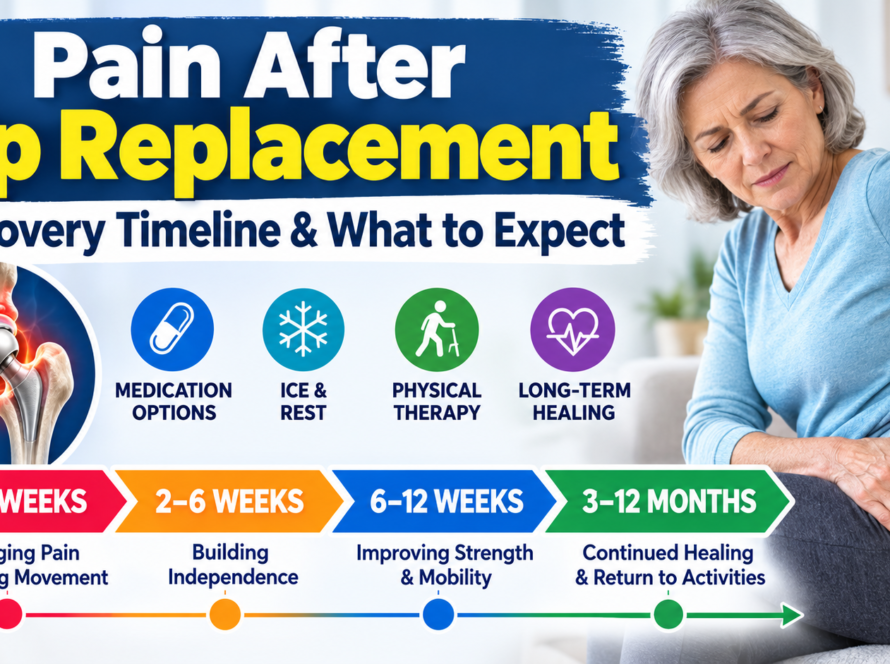
Next in the sequence: Article #4 — “Pain After Hip Replacement: Recovery Timeline & What to Expect.”


1 Comment